
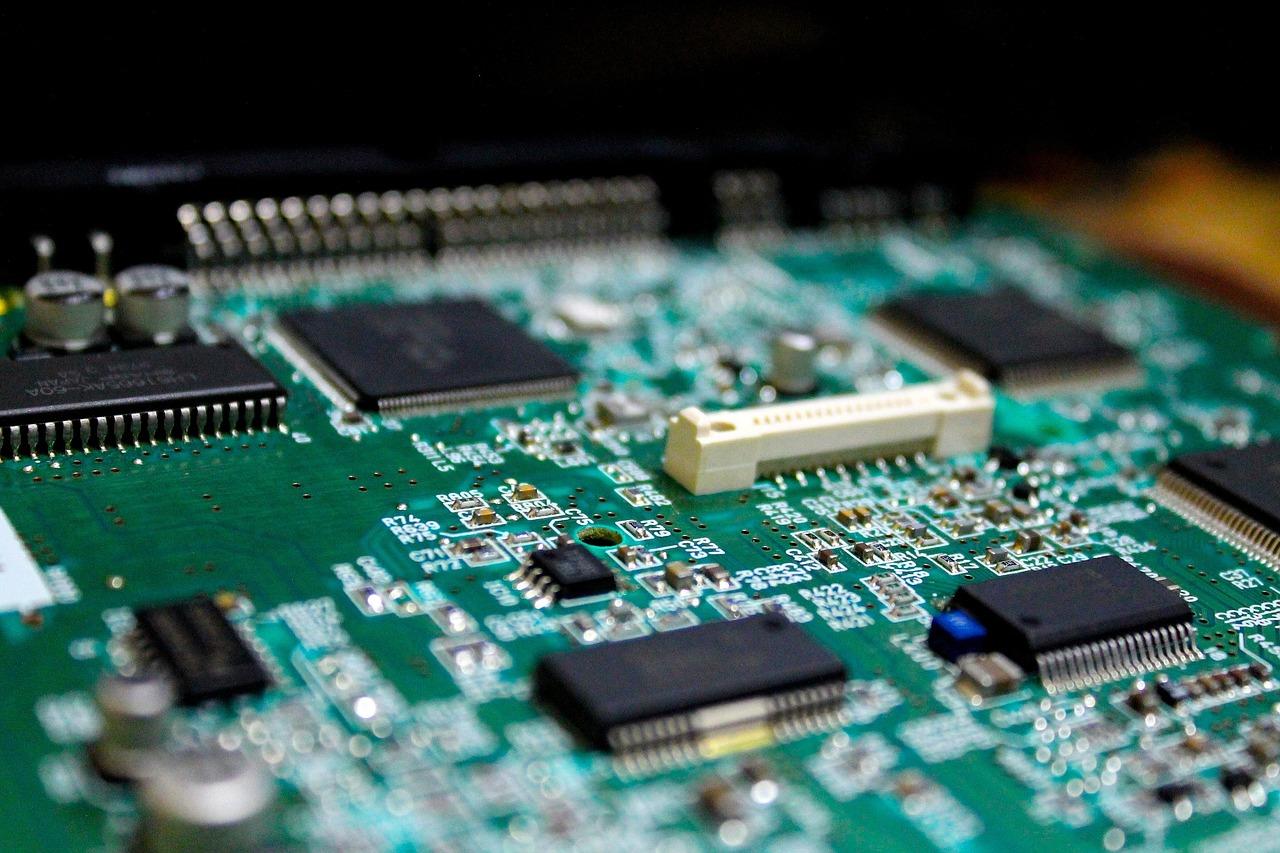
Why ITAR Compliance Matters in Electronics Manufacturing
The International Traffic in Arms Regulations (ITAR) exist to control the export of defense-related articles, services, and technical data. For organizations developing or producing electronics that fall under the United States Munitions List (USML), every link in the supply chain, including your contract electronics manufacturer, must meet strict compliance requirements.
Selecting the wrong manufacturing partner for an ITAR-controlled program doesn’t just create regulatory risk. It can result in costly production delays, jeopardize your facility security clearance, and in the worst case, lead to civil or criminal penalties under the Arms Export Control Act. The stakes are high, and the vetting process deserves serious attention.
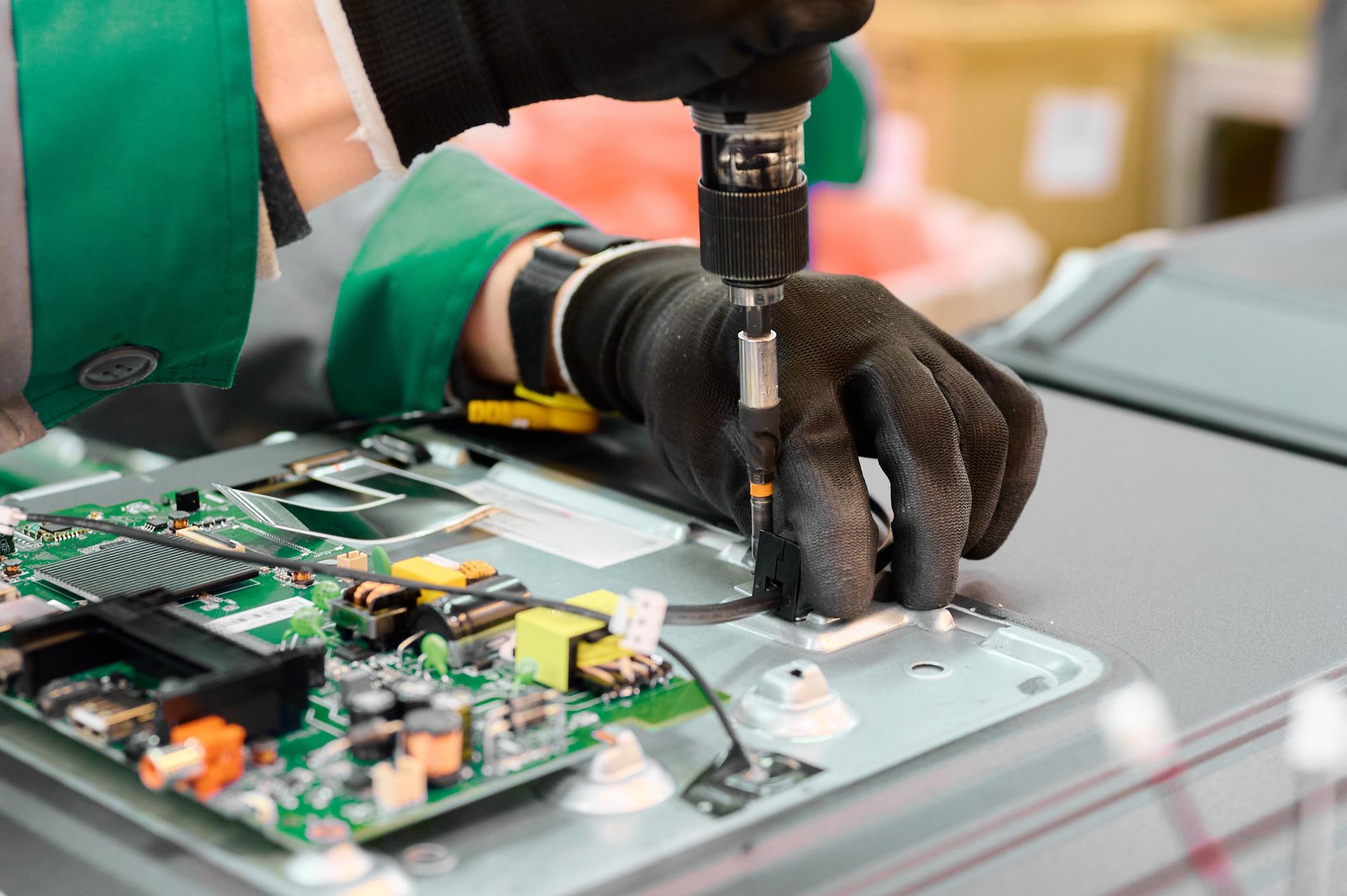
This guide walks through the critical factors defense program managers, procurement leads, and engineering teams should evaluate when choosing a printed circuit board assembly (PCBA) partner for ITAR-controlled work.
Verify ITAR Registration with the Directorate of Defense Trade Controls
This is the non-negotiable starting point. Any company involved in the manufacture of defense articles must be registered with the U.S. Department of State’s Directorate of Defense Trade Controls (DDTC). Registration alone doesn’t guarantee compliance, but it confirms that the manufacturer has formally acknowledged their obligations under ITAR and submitted to regulatory oversight.
Ask prospective partners for their DDTC registration number and verify it is current. Registration must be renewed annually, and a lapsed registration is a disqualifying red flag. Beyond registration status, ask how the company manages its ITAR compliance program internally. You want to see a designated empowered official, documented procedures for handling controlled technical data, and evidence of regular compliance training for employees who access ITAR-controlled information.
Confirm AS9100D Certification
While ITAR governs export controls, AS9100D addresses quality management for the aerospace and defense industry. These are complementary requirements, and a PCBA partner serving defense programs should hold both.
AS9100D builds on ISO 9001 with additional requirements specific to aerospace and defense, including product safety protocols, counterfeit part prevention, configuration management, and enhanced traceability. Certification signals that the manufacturer’s quality management system has been audited by an accredited third party and meets the rigorous standards expected by defense prime contractors and government agencies.
Request a copy of the manufacturer’s current AS9100D certificate and confirm the scope of certification covers the specific processes relevant to your program, such as surface mount technology (SMT) assembly, through-hole assembly, conformal coating, or box build.
Evaluate Facility Security and Access Controls
ITAR compliance requires physical and information security measures that go beyond what a typical commercial electronics manufacturer provides. When evaluating a potential partner, assess whether their facility has the controls necessary to protect controlled technical data and defense articles.
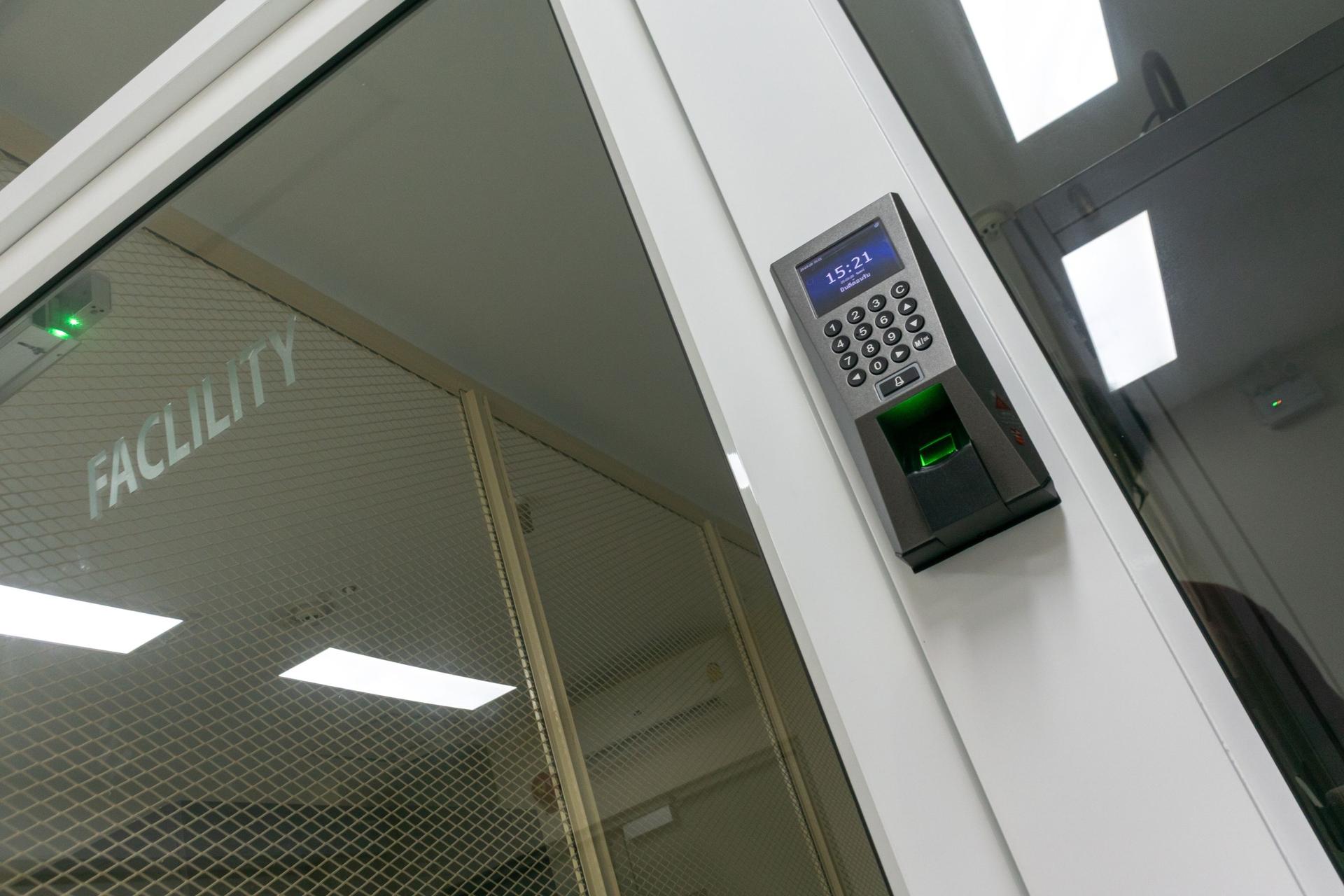
Key areas to evaluate include:
- Restricted access to production areas where ITAR-controlled work is performed
- Visitor management procedures that screen and log all non-employee access
- Secure storage for controlled technical data packages and work instructions
- IT security measures including network segmentation and access controls for electronic data
- Employee screening processes including citizenship verification for personnel assigned to ITAR programs
A capable ITAR partner should be able to walk you through these controls confidently during a facility tour. If a manufacturer is hesitant to discuss their security posture or cannot clearly articulate how they segregate controlled and non-controlled work, consider it a warning sign.
Assess Supply Chain Controls and Traceability
Defense electronics programs demand rigorous supply chain management. Your PCBA partner must be able to demonstrate end-to-end traceability from component procurement through final assembly and shipment. This includes sourcing components from authorized distributors or original component manufacturers, maintaining lot traceability and certificate of conformance documentation for every component, implementing counterfeit part detection and avoidance procedures aligned with AS6174 or SAE AS6081, and managing ITAR-controlled items throughout the supply chain to prevent unauthorized access or export.
Ask specifically about how the manufacturer handles component obsolescence, manages approved vendor lists, and responds to supply chain disruptions. Defense programs often have long lifecycles, and your partner’s ability to maintain material continuity over years, not just weeks, matters significantly.
Look for Experience with Defense Primes and Government Programs
There is no substitute for demonstrated experience. A manufacturer that has successfully delivered PCBA for defense prime contractors or directly for government programs understands the documentation requirements, inspection expectations, and communication cadence that these customers demand.
While a manufacturer may not be able to disclose specific program details due to confidentiality or ITAR restrictions, they should be able to speak to the types of defense applications they have supported, their familiarity with military specifications (MIL-STD, MIL-PRF), and their experience with IPC Class 3 workmanship standards, which are typically required for high-reliability defense electronics.
If a manufacturer is new to defense work, that’s not automatically disqualifying, but it does increase your risk. You’ll need to invest more time validating their processes and may want to start with a lower-risk qualification build before committing to production volumes.
Understand Their Approach to Technical Data Management
ITAR places specific obligations on how technical data is stored, transmitted, and accessed. Your PCBA partner must have documented procedures for receiving and protecting your controlled data packages, including Gerber files, assembly drawings, bills of materials, test procedures, and firmware.
Evaluate whether the manufacturer uses encrypted file transfer methods, restricts access to technical data on a need-to-know basis, maintains audit logs for data access, and has a defined process for returning or destroying controlled data when a program concludes. These practices should be documented in their ITAR compliance procedures and Technology Control Plan (TCP), not improvised on a case-by-case basis.
Consider CMMC Readiness for Future Requirements
The Cybersecurity Maturity Model Certification (CMMC) program is introducing new cybersecurity requirements for Department of Defense contractors and their supply chains. While CMMC is still being phased in, forward-thinking PCBA partners are already working toward compliance with NIST SP 800-171 controls, which form the foundation of CMMC Level 2.
Asking about a manufacturer’s CMMC readiness during the selection process accomplishes two things: it signals that you take cybersecurity seriously, and it helps you assess whether the partner is investing in the infrastructure needed to support defense programs over the long term. A manufacturer that has never heard of CMMC or has no plan to address it may not be the right fit for programs with a multi-year horizon.
Red Flags to Watch For
Not every electronics manufacturer that claims ITAR capability can actually deliver. Be cautious if a prospective partner:
- Cannot produce a current DDTC registration number
- Has no formal ITAR compliance program or designated empowered official
- Lacks AS9100D certification or holds only ISO 9001
- Cannot clearly explain how they segregate ITAR and non-ITAR work
- Has no documented Technology Control Plan
- Relies heavily on offshore resources for engineering or data management
- Is dismissive of your compliance questions
The due diligence investment you make during partner selection is far less costly than dealing with a compliance violation or production failure once a program is underway.
Making the Right Choice for Your Program
Choosing a PCBA partner for ITAR-controlled work is not simply a procurement decision. It is a compliance decision, a quality decision, and a risk management decision. The right partner brings ITAR registration, AS9100D certification, robust facility security, disciplined supply chain controls, and proven experience with defense-grade electronics manufacturing.
Taking the time to thoroughly evaluate these factors before awarding a contract protects your program, your organization, and your relationship with your end customer. In defense electronics, trust is earned through demonstrated capability and unwavering attention to compliance. Choose a partner that takes both as seriously as you do.
About PPSI
PPSI is an AS9100D-certified, ITAR-registered electronics manufacturing services company headquartered in Houston, Texas. We provide PCBA, box build, and test services for customers in aerospace, defense, space, industrial, and energy markets.