PCB Assembly
Built for run-rate production.
PPSI delivers high-reliability circuit board assembly on two fully redundant SMT lines, backed by an AS9100D quality system and IPC-certified technicians. We are built for ongoing run-rate production programs that need consistent quality, full traceability, and on-time delivery. For years, not weeks.
How we build a board
Every PCBA at PPSI follows the same documented sequence, from paste deposition to final inspection, on equipment qualified for high-reliability programs.
Solder paste deposition
Yamaha YCP10 stencil printers handle the bulk of paste application. For boards where stencil access is limited or paste volume needs precise local control, the Mycronic jet printer deposits paste without a stencil.
Component placement
Yamaha YSM10 pick-and-place machines run on each of the two SMT lines, placing components from 01005 passives through fine-pitch BGAs, QFNs, and CSPs.
Reflow soldering
Heller convection reflow ovens with assembly-specific profiles validated against solder paste manufacturer specs and IPC guidelines.
Through-hole and connector assembly
Hand insertion and machine-assisted load for connectors, power components, and legacy through-hole designs. Wave soldering for high-volume through-hole panels.
Selective soldering
Pillarhouse selective solder system for mixed-technology boards where wave is not appropriate, protecting nearby SMT components while soldering specific through-hole points.
In-line inspection
SPI between paste and placement, AOI after reflow, and X-ray for hidden joints. Inspection stages are detailed below.
PCBA capabilities at a glance
What a PCBA looks like coming off our line: board sizes, processes, and component ranges we are set up to run today.
Board specs
- Max board size: 20" × 18"
- Single & double-sided
- Rigid, flex, and rigid-flex
- Multilayer construction supported
Process options
- SMT, through-hole, mixed technology
- Reflow, wave, and selective soldering
- RoHS-compliant and leaded processes
- Stencil printing or jet deposition
Component range
- Passives down to 01005
- BGAs, QFNs, CSPs
- Fine pitch (≤8 mil)
- Odd-form components
Inspection at every stage
Inspection is built into the build flow, not bolted on at the end. Every gate runs under our AS9100D quality system, with workmanship verified to IPC-A-610 Class II or Class III and J-STD-001.
Koh Young SPI
Verifies solder paste volume, height, and offset across every pad before any component is placed.
Mirtec 3D AOI
Post-reflow inspection of every board for misalignment, polarity, missing components, and solder-joint defects.
Glenbrook X-ray
Inspection of BGAs, QFNs, and other leadless packages where solder joints are not visible.
Takaya flying probe
Functional and continuity testing for boards where dedicated ICT fixtures are not economical.
IPC-A-610 Class II / III
Certified inspectors verifying workmanship, lot documentation, and program-specific acceptance criteria.
AS9100D traceability
Each lot ships with full traceability records (component lot codes, process data, inspection results) for prime contractor and DoD-tier documentation requirements.
Built for run-rate production programs
PPSI's PCBA operation is engineered around ongoing, scheduled production, not one-off prototype work. The programs we run typically last for years, not weeks. Our floor, our quality system, and our line redundancy are all built for that buyer.
Two complete, independent SMT lines mean your program never depends on a single line being available. Scheduled maintenance, line changeovers, and parallel program runs all happen without disrupting delivery commitments.
Scheduled releases
Kanban-triggered builds and forecasted release schedules replace weekly RFQs. We plan around your demand, not around quote turnaround.
Documentation built in
AS9100D traceability across every lot (component, process, and inspection records), meeting recurring aerospace, defense, and space program documentation requirements.
High-mix capable
Multiple programs run concurrently across our two SMT lines. Efficient changeovers and stocked feeders keep mixed-program weeks predictable.
NPI and engineering builds are supported when they are a path into a production program. PPSI's operation is sized for sustained, run-rate manufacturing.
Industries we ship PCBAs to
The PCBAs leaving our floor go into systems where reliability is not optional. Each industry comes with its own documentation rigor, workmanship class, and qualification requirements.
Explore Our Other Capabilities
PPSI offers a full suite of manufacturing services to support your entire product lifecycle.
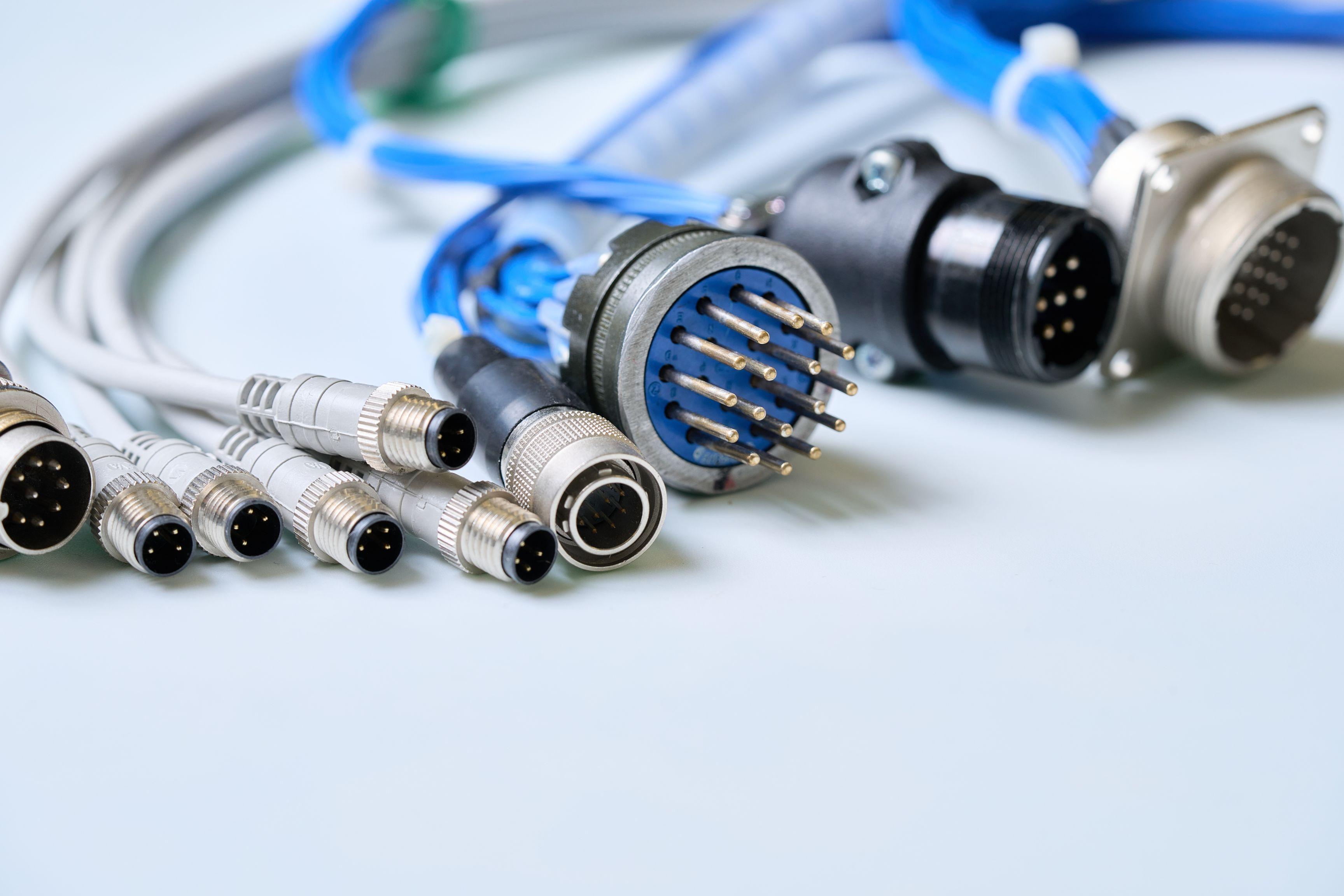
Cable & Harness
Custom cable assemblies and wire harnesses built to IPC/WHMA-A-620 standards.
View Service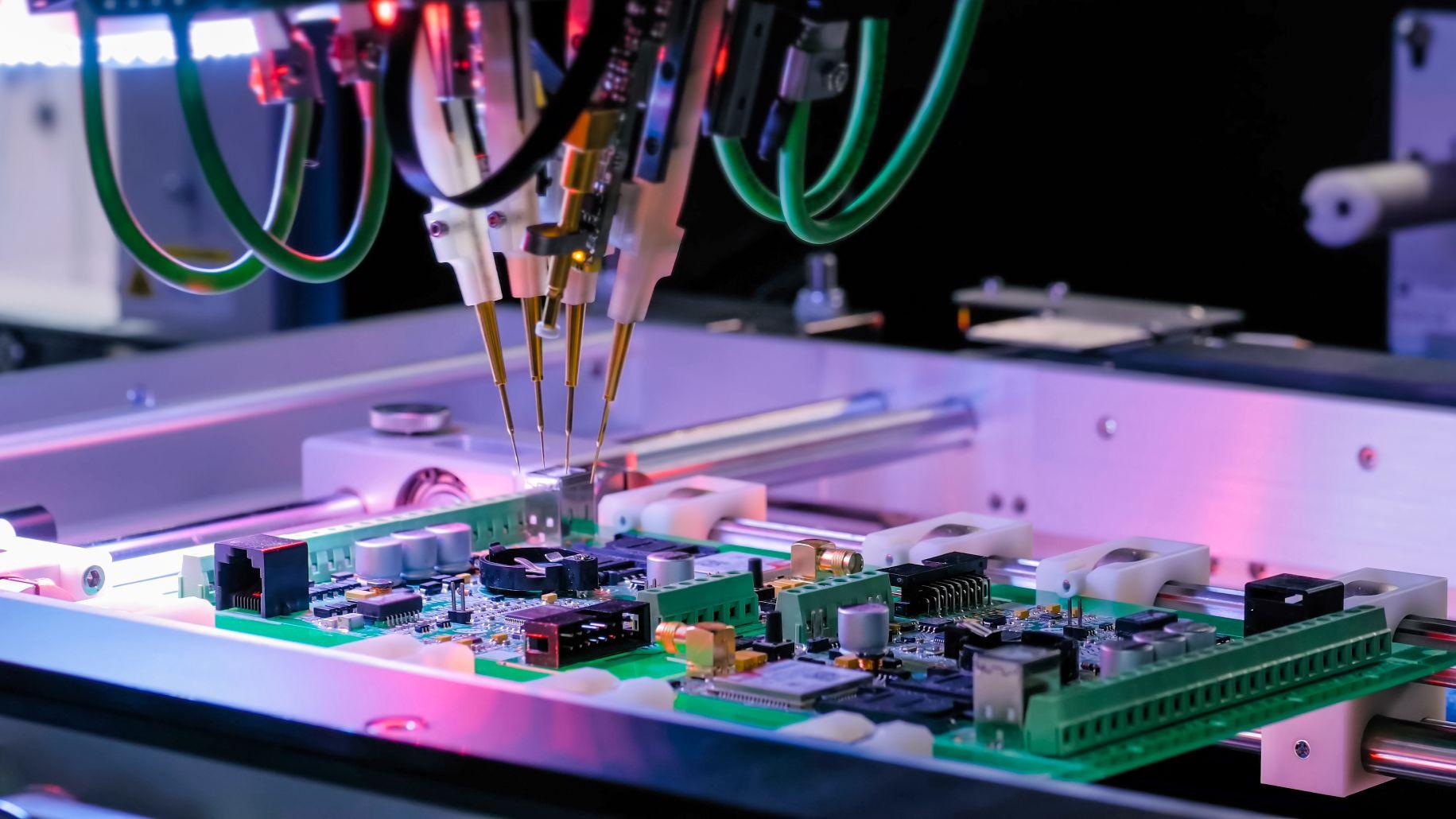
Testing & Programming
Comprehensive functional testing, flying probe, and device programming services.
View Service
Systems Integration
Full box build and electro-mechanical assembly for complete product solutions.
View Service