Cable & Harness Assembly
Built to print, terminated to spec, tested before it leaves.
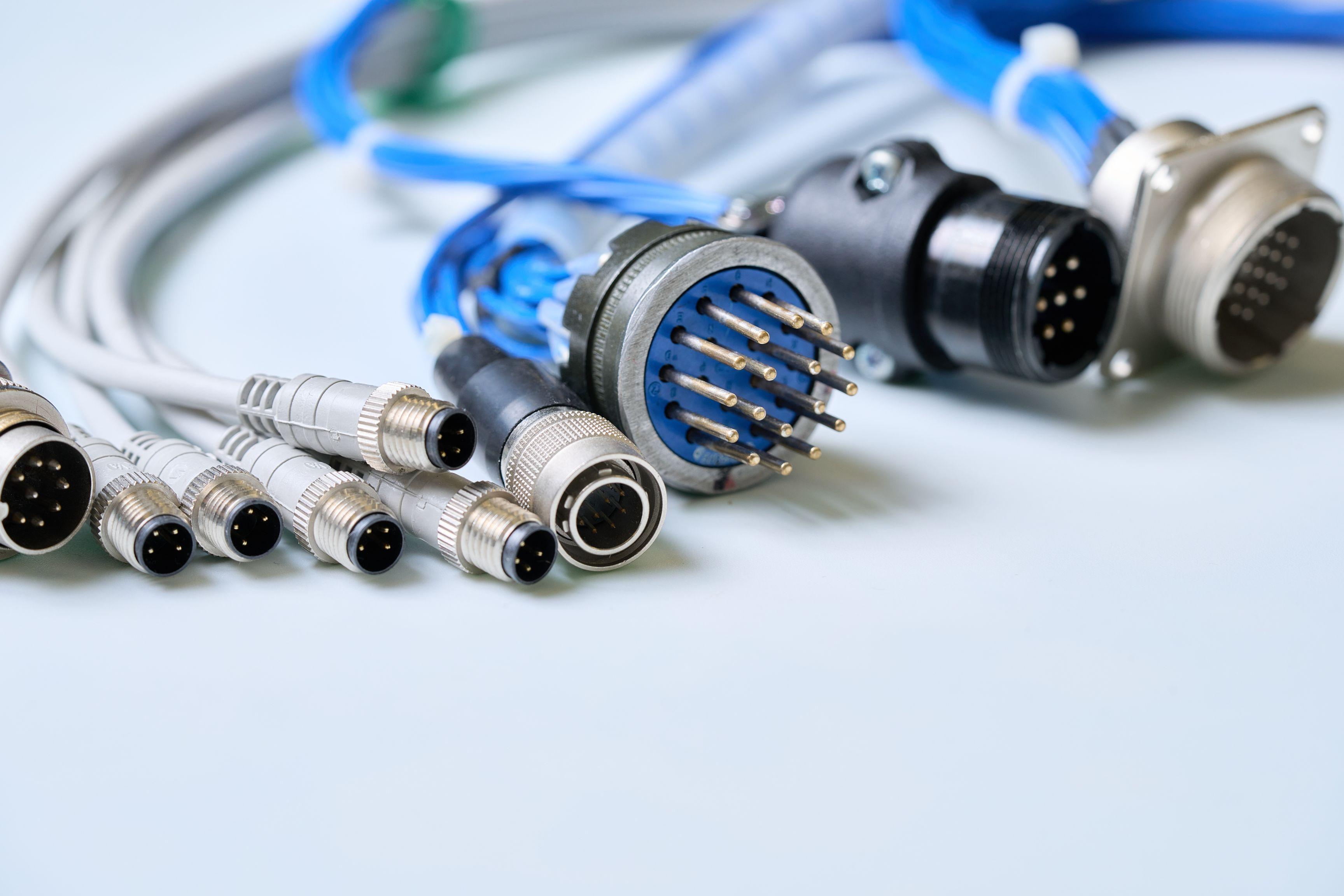
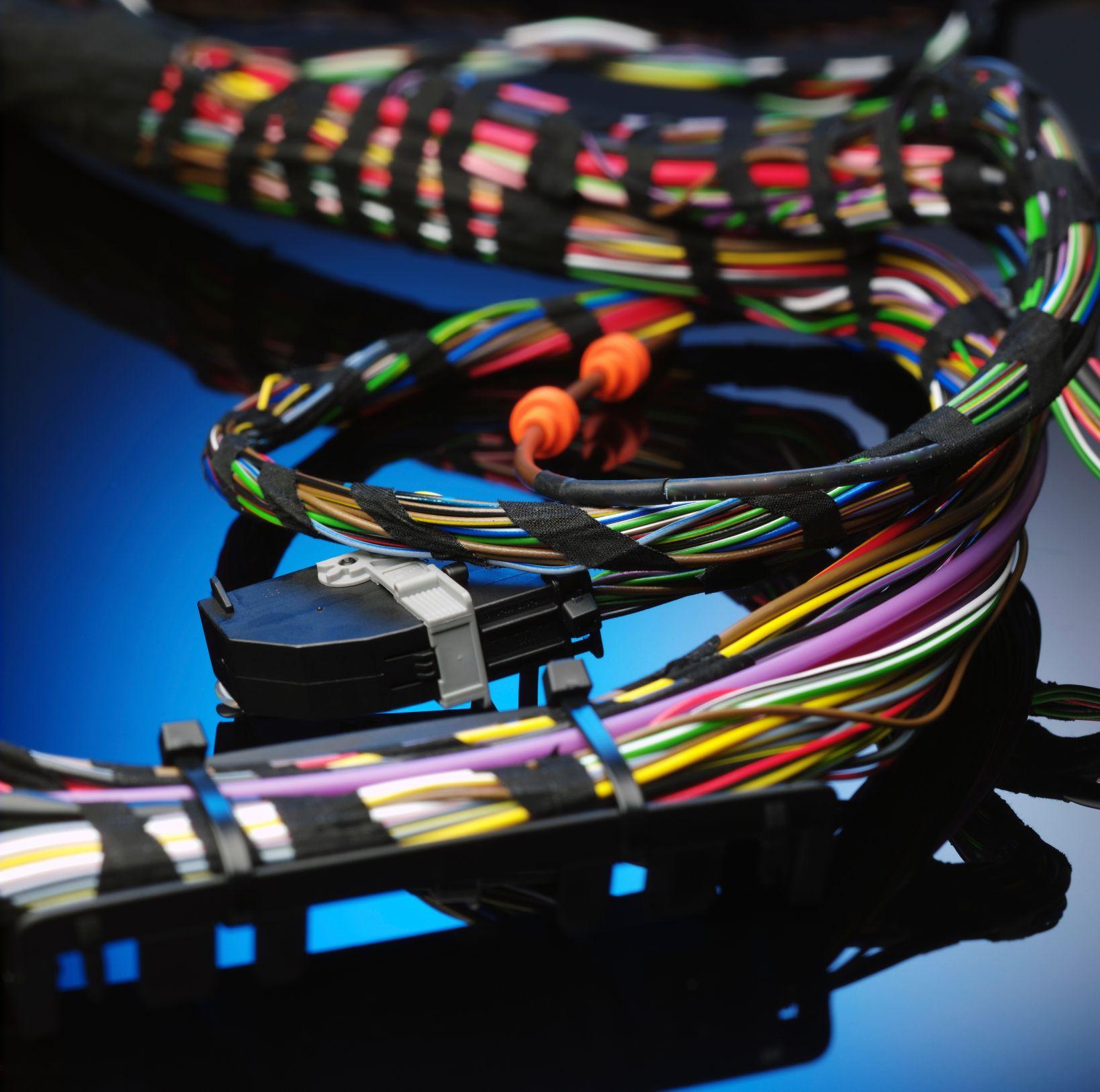
PPSI builds cable assemblies and wire harnesses to IPC/WHMA-A-620 on the same floor, under the same AS9100D quality system, as our circuit board assemblies. From a two-connector jumper to a multi-branch harness with hundreds of crimps, every build is terminated with calibrated tooling and verified with 100% continuity testing before it ships.
How we build a harness
Every harness follows the same documented sequence, from the wire cut list through final electrical test, so a build looks identical on its first run and its five hundredth.
Print review and wire prep
We start from your drawing and wire list, then cut and strip each conductor to length. Strip depth is set so no copper is nicked and no insulation is left under the crimp.
Termination
Crimp contacts are applied with calibrated tooling and the correct die for each contact and wire gauge. Solder-cup and insulation-displacement (IDC) terminations are used where the connector calls for them.
Connector and backshell assembly
Contacts are inserted to the correct cavity and seated, housings are populated to the pinout, and backshells, strain reliefs, and grounding are installed per the print.
Layout, routing, and breakouts
Harnesses are built on a form board so branch lengths, breakouts, and bundle geometry match the drawing every time. Conductors are routed, combed, and tied to the specified dress.
Marking and protection
Wire markers, heat-shrink, braided sleeving, convoluted tubing, and overmolding are applied as specified. Labels and serialization are added for traceability.
Electrical test and final inspection
Every assembly is checked for continuity, correct point-to-point wiring, and miswires, with hi-pot and crimp pull testing where the spec requires it, then given a final IPC/WHMA-A-620 visual.
Interconnect types we build
From discrete wire runs to shielded RF lines, the same team and the same standard cover the full range of interconnects in a typical electromechanical program.
Wire harnesses
Multi-branch harnesses with breakouts, transitions, and mixed connector families built to a form board for repeatable geometry.
Cable assemblies
Power, signal, and data cables with connectors on one or both ends, from short jumpers to long interconnects.
Coaxial and RF
Coax and RF assemblies with SMA, BNC, TNC, and MCX terminations where shielding and signal integrity matter.
Ribbon and flat flex
IDC ribbon and flat-flex cabling for board-to-board and backplane connections in dense enclosures.
Power and ground
Heavy-gauge power cabling, ring and spade terminals, and grounding straps with lug terminations.
Box and panel wiring
Internal wiring, panel harnesses, and connector pigtails integrated directly into enclosures and subassemblies.
Terminations and connector families
The connector and termination method drive harness reliability. We work across the families that aerospace, defense, and industrial programs specify, using the tooling each one requires.
Mil-spec circular
MIL-DTL-38999, MIL-DTL-5015, and similar circular connectors with crimp or solder contacts and proper backshell installation.
Rectangular and D-sub
D-subminiature, rectangular, and micro-D connectors with machined or stamped contacts terminated to the print.
Crimp terminations
Machine and hand crimping with calibrated tools and the correct die per contact, verified by pull testing to IPC requirements.
Solder-cup and IDC
Hand-soldered cup terminations and insulation-displacement connections for ribbon and high-density interfaces.
Terminals and lugs
Ring, spade, and butt-splice terminals plus power lugs sized and crimped for the conductor gauge.
Marking and traceability
Wire marking, heat-shrink labels, and serialization that tie each harness back to its build and inspection records.
Tested to IPC/WHMA-A-620 before it ships
A harness that looks right can still be wired wrong. Workmanship is verified to IPC/WHMA-A-620 by certified inspectors, and every assembly is electrically tested against the print so miswires never reach your line.
100% continuity testing
Point-to-point verification of every conductor against the netlist, catching opens, shorts, and miswires.
Hi-pot and dielectric
Voltage-withstand and insulation-resistance testing when the application or customer spec calls for it.
Crimp pull testing
Sampled crimp tensile testing confirms terminations meet IPC pull-force requirements for the gauge.
A-620 visual inspection
Certified inspectors verify workmanship, routing, marking, and documentation to the applicable class.
Where our harnesses ship
The same harnesses often integrate straight into our PCB assemblies and box builds, so the interconnect and the product it serves come from one supplier and one quality system.
Explore Our Other Capabilities
PPSI offers a full suite of manufacturing services to support your entire product lifecycle.
Testing & Programming
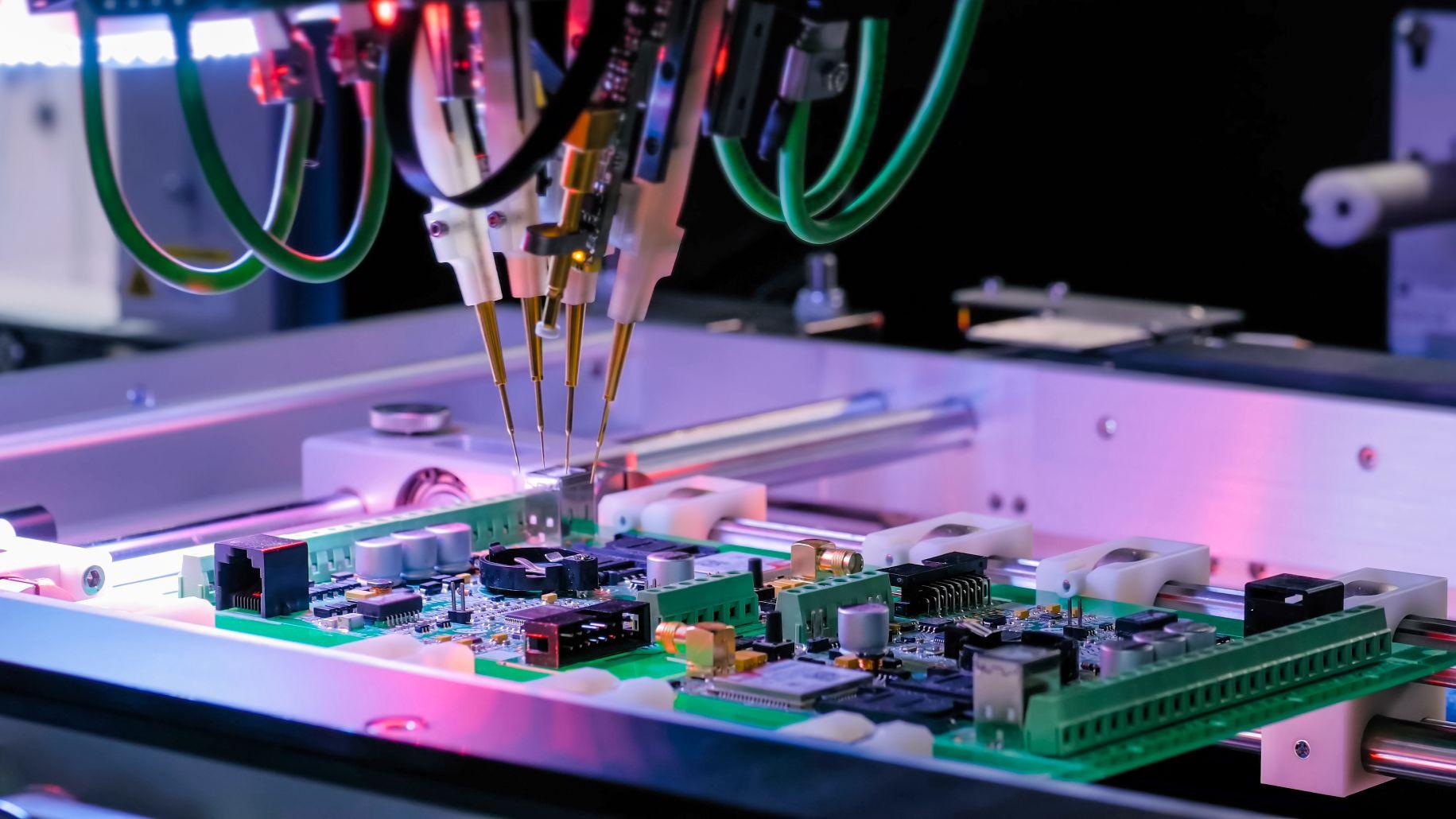
Comprehensive functional testing, flying probe, and device programming services.
View Service
Systems Integration
Full box build and electro-mechanical assembly for complete product solutions.
View Service